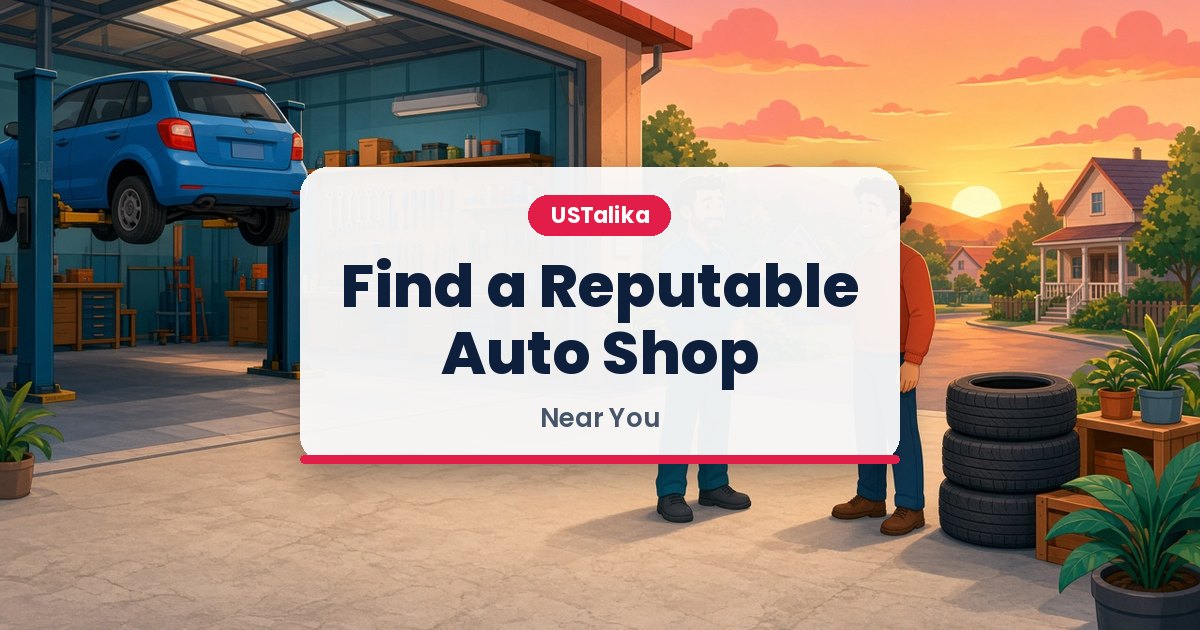
Your car is the second most expensive thing you own, and handing it to the wrong shop means paying twice - once for the repair and once to fix it. Here is how good car owners find good shops.
Look for certification before charm
ASE-certified technicians have passed national exams; many shops also hold BBB accreditation. A quality shop displays credentials and its reviews with equal pride. The FTC's auto repair guidance covers the consumer rights that apply in every state.
Test with a small job first
Before your transmission dies, bring the shop something small - an oil change, a brake inspection. Note whether they show you the worn parts, explain options, or push unneeded services. Shops like Silver Lake Auto Works in Los Angeles publish digital inspections with photos - the transparency standard worth demanding anywhere.
Demand a written estimate
State laws generally require authorization before work exceeds an estimate, but the estimate must exist in writing first. Compare published prices on your city directory: Midwest Auto Repair in Chicago and Galleria Auto Service in Houston list brake and AC service prices openly.
Red flags on the lift
- "We found more problems" calls without photos or parts.
- Vague warranty language - demand parts AND labor in writing.
- Discarded old parts unavailable for inspection.
- Clean waiting room, filthy shop - trust the shop floor.
Maintenance beats repair
Find a shop while the car is healthy, and let them maintain it. Follow the factory schedule, keep records, and the same shop will know your car when something real breaks. More vetting frameworks in our 12-question guide and the general directory guide.